- India is a strong FBA source for differentiated, handmade, or niche products — the ones you do not want to fight over on identical listings.
- You usually cannot ship directly from India into Amazon FBA. Route through a US prep center that clears customs, inspects, labels (FNSKU), and forwards to FBA.
- Match compliance to the category: FDA (food, cosmetics), CPSC/CPSIA (kids), FCC (electronics), Prop 65.
- Start with a small test order, not a container, to validate the listing before you scale.
- Budget the full landed-to-FBA cost: product + freight + duty + prep + Amazon fees.
Most FBA sellers chase the same products on the same overseas listings and then race each other to the bottom on price. India is where you find something different: handmade décor, organic textiles, specialty foods, ayurvedic and wellness goods. The products are a real edge. Getting them into Amazon’s warehouses takes a few steps sellers skip and later regret, so this guide lays out the whole path.
Why source from India for Amazon FBA?
Because India lets you sell something your competitors cannot copy by clicking “re-order” on a generic listing. Handmade and craft-led goods, organic cotton, spices, and natural wellness products carry a story and a margin that commodity FBA products do not. India also offers flexible, lower minimums at the artisan level, which suits a first FBA launch where you are testing demand rather than committing to huge volume.
Can you ship directly from India to Amazon FBA?
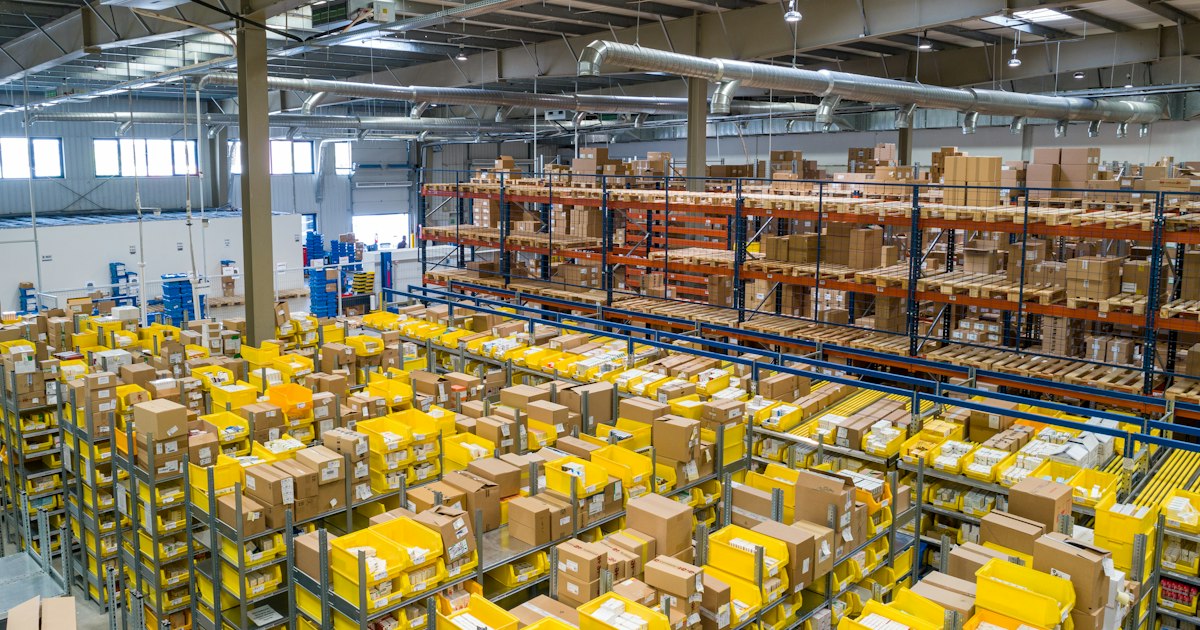
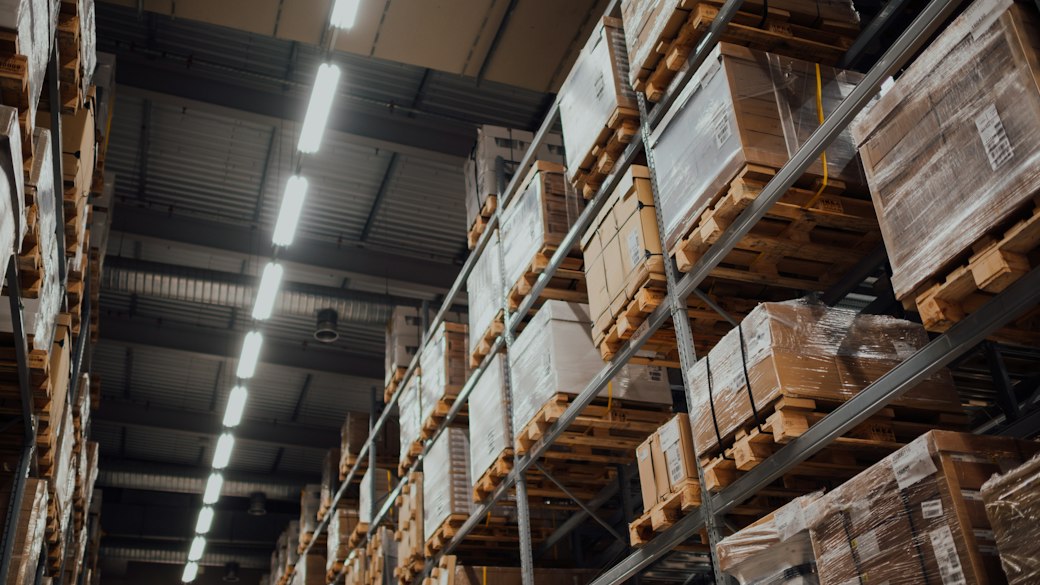
Usually no, and trying to is how shipments get rejected. Amazon will not act as importer of record, and FBA warehouses expect goods that are already customs-cleared and correctly prepped and labeled. The standard route is to ship from India to a US prep center or 3PL first. They receive the goods, clear customs, inspect, apply Amazon’s FNSKU labels and any poly-bagging or bundling, then forward compliant cartons into FBA. Skipping this step is the single most common FBA-from-India mistake.
The India-to-FBA route, step by step
- Find and verify a manufacturer. See our guide on finding manufacturers in India and verifying them.
- Sample and confirm compliance for your product category before you order bulk.
- Run a small production order sized to test the listing.
- Inspect before shipping with a third-party pre-shipment check.
- Ship to a US prep center / 3PL by sea (or air for a first small batch), with you or your broker as importer of record.
- Clear US customs and pay the duty on your HTS code.
- Prep and label (FNSKU) at the 3PL, then forward into FBA.
What compliance does your product need?
Compliance depends on the category, and Amazon can pull a listing that is missing it. The common ones for India-sourced goods:
- Food, supplements, cosmetics: FDA rules, including FSVP for food and correct labeling.
- Children’s products and toys: CPSC / CPSIA testing and tracking labels.
- Electronics: FCC requirements.
- Ceramics, brass, and anything food-contact: FDA lead limits and California Prop 65.
- Textiles: fiber content and country-of-origin labeling.
What does it cost to get a product from India into FBA?
Your true cost is not the FOB price. Add every layer below and compare it to your Amazon sell price before you commit.
| Cost component | Note |
|---|---|
| Product (FOB) | The supplier’s price at the Indian port |
| Freight to US | Sea is cheapest; air only for small, fast first batches |
| US duty | Based on your HTS code — verify the current rate |
| Customs + entry fees | ISF, customs bond, broker |
| Prep / 3PL | Receiving, inspection, FNSKU labeling, forwarding to FBA |
| Amazon fees | Referral fee and FBA fulfilment fee |
How big should your first order be?
Small. The point of a first order is to validate the listing, not to fill a container. India’s flexible minimums help here — order enough to test real sales for a few weeks, confirm reviews and return rates, and only then scale. A cautious first run protects your cash flow and tells you whether the product deserves a bigger bet.
Frequently asked questions
Can I ship directly from India to Amazon FBA?
Usually not. Amazon will not be the importer of record, and FBA expects customs-cleared, prepped, and FNSKU-labeled goods. Ship to a US prep center or 3PL first, which clears customs and forwards compliant cartons into FBA.
What products from India sell well on Amazon FBA?
Differentiated, craft-led goods: handmade home décor, organic cotton textiles, spices, ayurvedic and wellness products, and jewelry. These avoid the commodity price war that commoditised FBA products fall into.
Do I need a US company to sell FBA products sourced from India?
You need to be a registered Amazon seller and have an importer of record for customs. Many non-US sellers import through a broker and 3PL. Confirm your tax and customs setup with a professional before your first shipment.
Who applies the FNSKU labels?
A US prep center or 3PL usually does, after customs clearance. Some Indian suppliers can apply labels pre-ship, but most sellers prep in the US to control accuracy and handle poly-bagging and bundling.
How long does it take to get Indian goods into FBA?
Allow roughly production time (30–60 days) plus sea freight (~25–40 days), customs, and prep. Plan around two to three months end to end for a sea shipment; air shortens the freight leg for small batches.
Common FBA-from-India mistakes
Most failures are avoidable. Sellers try to ship straight into FBA and get the shipment refused. They skip pre-shipment inspection and discover defects only after Amazon customers do, through returns and bad reviews. They under-budget, forgetting that duty, prep, and FBA fees stack on top of the product price. And they over-order a first run before the listing has proven it sells. Route through a US prep center, inspect before shipping, model the full cost, and start small, and you sidestep nearly all of them.
Air or sea for your first FBA shipment?
For a first, small test batch, air freight can be worth the premium: you get the product live on Amazon in days rather than weeks, so you learn whether it sells before you tie up cash in a container. Once the listing is proven and you are reordering in volume, switch to sea freight for the much lower per-unit cost. A common pattern is to air-ship the first pilot and sea-ship every reorder after that.
Keep enough stock, but not too much
FBA rewards staying in stock, since running out resets your ranking and momentum, but over-stocking slow sellers racks up long-term storage fees. With India’s longer total lead time (production plus sea freight), plan reorders earlier than you would with a nearby supplier. Track your sell-through, set a reorder trigger that accounts for two to three months of lead time, and keep a small air-freight top-up option for when a product takes off faster than expected.
Sell what others can’t copy
India gives FBA sellers a product edge, as long as you respect the route: verify the maker, match compliance to the category, prep in the US, and test small before you scale. Ready to find your product? Browse verified Indian suppliers or tell us what you want to sell and we will match you within 48 hours.
Written by the SourceVeda Team, sourcing specialists connecting US buyers with verified Indian manufacturers. Last updated: November 2026.