- OEM, ODM, and white label are three different things. Decide which you actually want before you brief a factory.
- India is strong for private label in textiles and apparel, cosmetics and ayurveda, food and spices, home goods, and supplements.
- Private-label MOQs run higher than buying stock product, because the factory is making to your spec and branding.
- Protect your IP: an NDA, registered design where it matters, and a written agreement on who owns the molds and artwork.
- Budget for tooling, samples, and packaging on top of unit cost — and plan for longer lead times.
Putting your brand on a product is the easy part. The expensive part is the detail nobody mentions up front: who owns the mold, who controls the artwork, and what “private label” even means once the factory interprets it. India is one of the best places in the world to build a private-label line, as long as you walk in knowing exactly what you are asking for.
OEM, ODM, or white label: which do you mean?
These three terms get used interchangeably and cost people money. In short: with OEM you bring the design and the factory builds it to your spec; with ODM the factory already has a design you adapt and brand; with white label you put your name on an existing generic product. Pick the wrong one in your brief and you will either overpay for tooling you did not need or end up with a product five other brands also sell.
| Model | Who designs it | Best when |
|---|---|---|
| OEM | You provide the design and spec | You have a unique product and want control |
| ODM | Factory’s existing design, you customise and brand | You want to launch faster with less tooling cost |
| White label | Generic product, your label only | You want speed and low cost, and uniqueness matters less |
What is India good at for private label?
India’s private-label strengths line up with its manufacturing depth: apparel and home textiles (organic cotton is a standout), cosmetics and ayurvedic and herbal personal care, packaged foods and spice blends, home and décor goods, and nutraceutical supplements. These are categories where India has both the factories and the raw-material base to make your product to spec rather than just slap a label on a generic one.
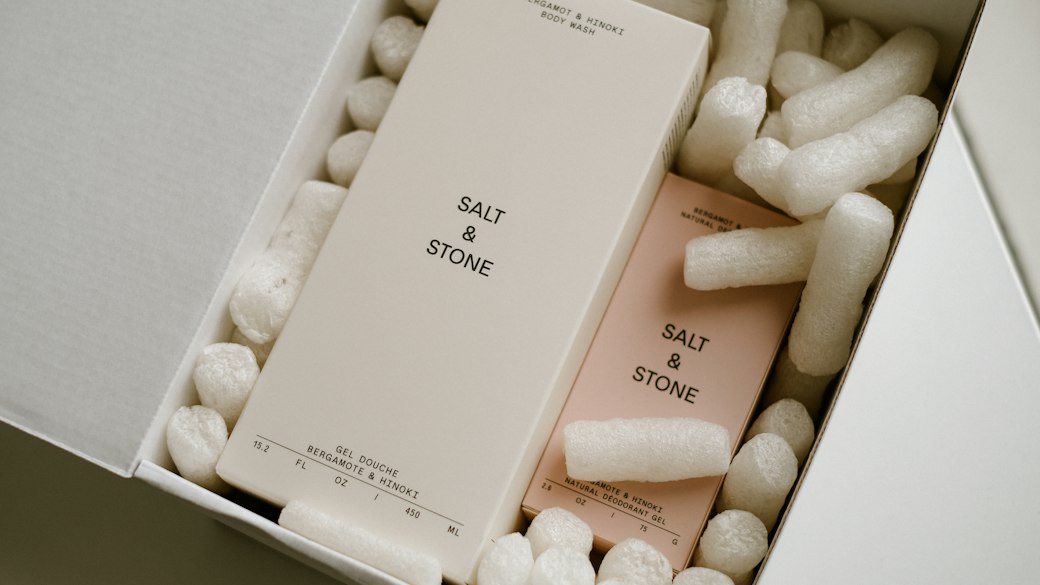
The private-label process, step by step
- Write a clear brief: product spec, materials, target cost, branding, and packaging.
- Shortlist and verify factories that genuinely make this category — see our guide on finding manufacturers in India.
- Develop a sample and iterate until it matches your spec and brand.
- Finalise tooling, artwork, and packaging, and agree who owns each.
- Sign off a pre-production sample — the exact unit the bulk run must match.
- Run production with inspection, then ship.
How do MOQs work for private label?
Higher than buying stock, and for a reason: the factory is setting up tooling, custom packaging, and a dedicated run for your brand. You can still bring minimums down — combine colourways or variants into one run, start with a pilot order to prove the concept, and accept a slightly higher per-unit price on the first batch in exchange for a lower quantity. As the relationship grows, both the MOQ and the price usually improve.
How do you protect your IP?
Private label means handing a factory your brand and sometimes your design, so protect it in writing before you share anything.
- Sign an NDA before sharing designs or formulations.
- Register your design or trademark where it matters to your market.
- Agree ownership of molds, tooling, and artwork in the contract — if you paid for the mold, it should be yours.
- Keep sensitive steps split across suppliers for highly original products, so no single factory holds the whole recipe.
What will it cost and how long will it take?
On top of the unit price, budget for tooling or mold costs (one-time), sampling rounds, and custom packaging. Lead times run longer than buying stock — plan on development time for samples plus 30 to 60 days or more for production, and add buffer around India’s festival season. Rushing the sample stage is the most common way private-label launches go wrong, so give it the time it needs.
Frequently asked questions
What is the difference between OEM and ODM?
With OEM you provide the design and the factory manufactures to your spec. With ODM the factory already has a design that you customise and brand. OEM gives more control; ODM is faster and cheaper to launch.
Can I do private label manufacturing in India with a low MOQ?
Private-label MOQs are higher than stock product, but you can lower them by combining variants into one run, starting with a pilot order, and accepting a higher per-unit price on the first batch.
How do I protect my design from being copied?
Use an NDA before sharing designs, register your trademark or design where it matters, and put ownership of molds and artwork in the contract. For highly original products, split sensitive steps across suppliers.
Who owns the mold or tooling?
Whoever the contract says. If you pay for the tooling, specify in writing that you own it and can move it to another factory. Do not assume — put it in the agreement.
What products can I private label from India?
Apparel and home textiles, cosmetics and ayurvedic personal care, packaged foods and spice blends, home and décor goods, and supplements are all strong Indian private-label categories.
What to put in your private-label brief
A vague brief produces a vague sample and wasted rounds. Spell out the exact material and grade, dimensions and weight, colours, your target landed cost, the branding and where it goes, the packaging (retail box, poly bag, hang tag), any certifications you need, and your market’s labeling rules. The more precisely you define the product up front, the fewer sampling rounds you pay for and the closer the first sample lands to what you actually want.
Common private-label mistakes
The expensive ones repeat across brands: approving bulk off a photo instead of a physical pre-production sample, paying for tooling without putting ownership in writing, skipping the NDA, and underestimating lead time so a launch date slips. Another is confusing white label with OEM and ending up with a product competitors also sell. Treat the sample sign-off as the most important moment in the whole process, and get the paperwork done before you share your design.
Packaging is part of the product
For a private-label brand, the packaging is where much of the perceived value lives, and it is easy to leave to the last minute. Decide early whether the factory prints and assembles your packaging or whether you source it separately, confirm the print quality on a real sample, and make sure any required US labeling — materials, country of origin, care or safety information — is built into the artwork rather than stickered on later. Good packaging approved early saves a scramble before the first shipment.
Build a brand, not just a box
Private label done well in India gives you a product that is genuinely yours. Decide OEM, ODM, or white label, protect your IP in writing, and treat the sample stage as the most important step. Ready to develop your product? Browse verified Indian manufacturers or tell us what you want to build and we will match you within 48 hours.
Written by the SourceVeda Team, sourcing specialists connecting US buyers with verified Indian manufacturers. Last updated: November 2026.