- “China Plus One” means adding a second country, not leaving China. For most US buyers, India is that second country.
- India wins on labor-rich, hand-finished goods: textiles, apparel, home décor, leather, jewelry, and spices. China still leads on electronics, high-volume plastics, and precision parts.
- Running two supply chains usually costs about 5–12% more than staying single-source in China. You are buying resilience, not a lower sticker price.
- Lead times from India run longer than China for many categories. Plan your calendar around it.
- US tariffs on both countries kept moving through 2025 and 2026. Check the live duty on your product before you decide.
The most expensive mistake US buyers make with India is treating it like a cheaper China. It isn’t. India is a different market with different strengths, different weak spots, and a different pace. The buyers who do well here are the ones who understand that before they place a single order.
“China Plus One” has gone from boardroom talking point to a real line in most sourcing budgets, and India is the country US importers add first. But should you move a specific product to India, and what will it actually cost you? That is the honest question this guide answers. No cheerleading.
What does “China Plus One” actually mean?
China Plus One is a sourcing strategy where you keep your Chinese suppliers but add a second manufacturing country to spread risk. It is a hedge against tariffs, shipping shocks, and over-reliance on one source. It is not a plan to abandon China. For most US buyers, India becomes the “plus one.”
The logic turned concrete after the supply shocks of 2020 to 2023. A single port closure or a sudden tariff could freeze an entire product line. A second country in a different region means one problem no longer stops everything. Logistics giant DHL frames it the same way: a China Plus One approach is risk management first, cost second.
Is India actually cheaper than China?
Not always. On hand-finished and labor-heavy goods, India is often cheaper than China because wages are low and craft skills run deep. On anything that depends on scale, automation, or a tight components ecosystem, China usually still wins on unit cost. And running two supply chains typically costs 5–12% more than staying with one.
So the honest answer is: India is cheaper on the right products and more expensive on the wrong ones. A hand-embroidered cushion cover, a brass planter, or a batch of bulk turmeric will usually land cheaper from India. A circuit board, an injection-molded gadget, or anything that needs ten sub-suppliers in one industrial park will usually land cheaper from China. Treat the cost question product by product, never country by country.
Where India genuinely wins
India’s real edge is anything that rewards skilled hands and flexible, lower volumes. Here is how the main categories stack up for a US buyer.
| Product category | Why India wins | Where China still leads |
|---|---|---|
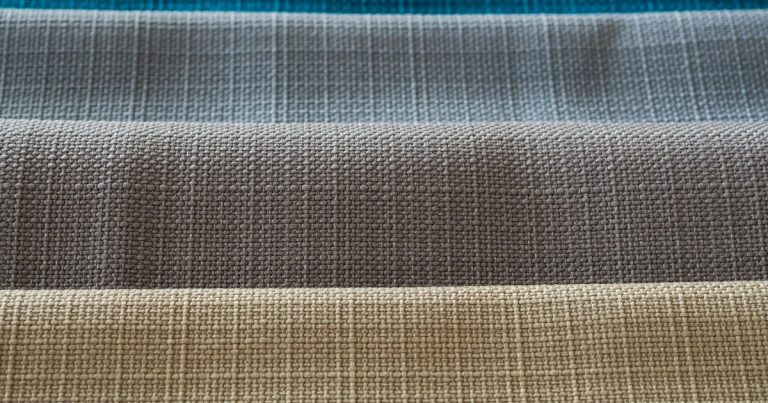
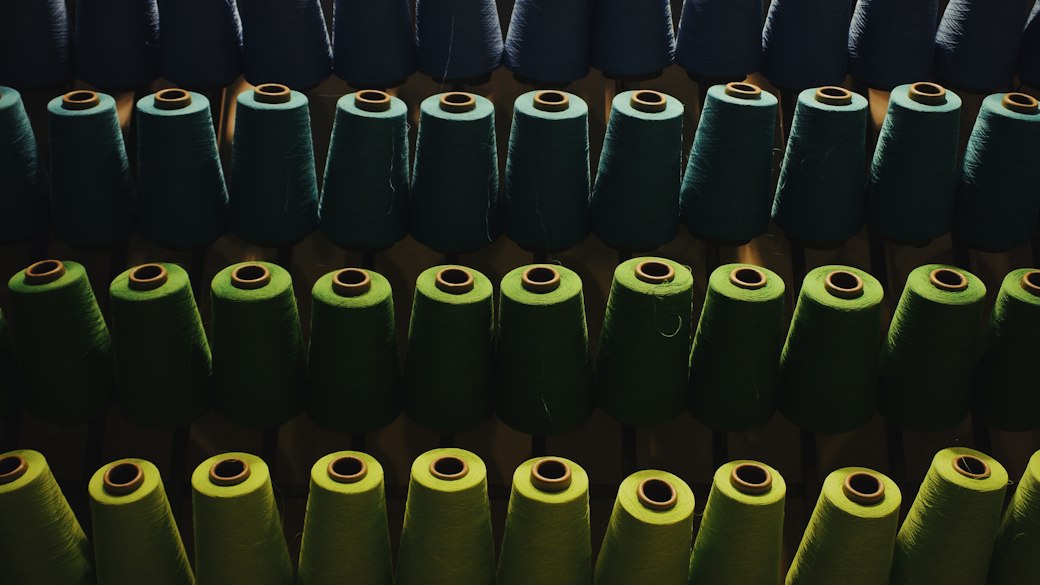
| Textiles & apparel | Organic cotton (India has the most GOTS-certified mills in the world), hand embroidery, small and flexible MOQs | Synthetic performance fabrics and raw speed at very high volume |
| Home décor & handicrafts | Genuine artisan craft — blue pottery, brass, carved wood, marble — at low MOQs | Mass-produced resin and plastic décor |
| Leather goods | Skilled hand-finishing at lower labor cost | Very high-volume output and synthetic leather |
| Fashion & fine jewelry | Gemstone cutting (Jaipur, Surat) and silver craftsmanship | Costume jewelry at massive scale |
| Spices & agri-food | Origin, variety, and processing depth — India leads this category outright | — |
| Generic pharma & APIs | A global leader in generic drug manufacturing | Some bulk APIs and intermediates |
| Electronics & precision parts | Improving fast, but still catching up | Deep components ecosystem, tooling speed, and scale |
Notice the pattern. Where a product carries a story — handmade, organic, origin-specific — India tends to win on both cost and authenticity. That is exactly why US home and lifestyle brands have leaned into Indian home décor and handicrafts over the past few years.
Where China and Vietnam still beat India
An honest guide names the trade-offs. India is not the right answer for everything, and pretending otherwise gets buyers burned. China (and increasingly Vietnam) still hold a clear lead in several areas:
- Raw scale. For orders in the hundreds of thousands of identical units, China’s factories and automation are hard to match on price and consistency.
- Speed. Lead times from India often run longer, especially around festival season (expect slowdowns October through November).
- Components ecosystem. Electronics and complex assemblies need many sub-suppliers close together. China’s industrial clusters still win here.
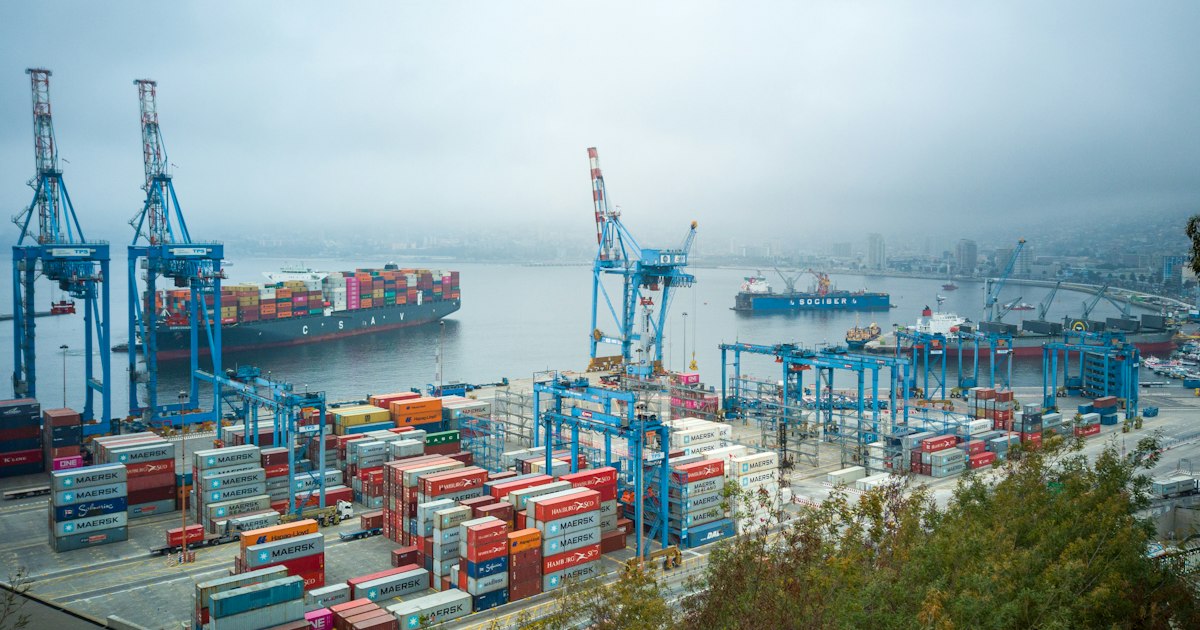
- Infrastructure. Port turnaround and inland logistics are improving in India but are not yet as frictionless as China’s.
- Tooling. Fast, cheap mold and die-making is a China strength for plastics and metal parts.
What about US tariffs in 2026?
Tariffs on both India and China moved repeatedly through 2025 and 2026, and the gap between them keeps shifting. Do not make a sourcing decision on last quarter’s rate. Look up the current duty for your exact product — by its HTS code — before you commit.
The practical move: find your product’s code in the USITC Harmonized Tariff Schedule, confirm the live duty with US Customs and Border Protection or a licensed customs broker, and run the number into your landed cost for both countries. A tariff swing can erase India’s price edge or widen it, so treat it as a live input, not a fixed fact.
Should you source this product from India? A 6-point check
Run any product through these six questions before you shift it to India.
- Is it labor- or craft-intensive? If yes, India is a strong fit.
- Are your volumes small-to-mid, or do you need flexible minimums? India’s artisan and SME base is far more flexible than China at low volume.
- Does it depend on a deep electronics or components ecosystem? If yes, lean toward China or Vietnam.
- Can your timeline absorb slightly longer lead times? If not, reconsider or build in buffer.
- Have you checked the current US tariff on its HTS code? Do this before you model cost.
- Can you verify and sample a real manufacturer first? Always, without exception.
If you answered “India” to the first two questions and can live with points three and four, India is worth a serious pilot order.
How to start without getting burned
Start small and verify first. Pick one product, find two or three real manufacturers (not trading companies), order paid samples, and run a pilot before you move serious volume. Our guide on how to verify an Indian supplier walks through the checks that prevent most first-order disasters.
When you are ready, SourceVeda connects US buyers with already-verified Indian manufacturers. You can browse pre-vetted suppliers by product, or tell us what you need and we will match you — with samples — within 48 hours.
Frequently asked questions
Is India cheaper than China for manufacturing?
On labor-intensive and hand-finished goods, India is often cheaper. On high-volume, automated, or component-heavy products, China usually wins on unit cost. Dual-sourcing across both countries also adds roughly 5–12% versus a single China supply chain, so judge cost product by product, not country by country.
What products is India best for sourcing?
India is strongest in textiles and apparel, home décor and handicrafts, leather goods, jewelry, spices and agri-food, and generic pharmaceuticals. These reward craft skill, origin, and flexible order sizes — the things India does better than anyone.
What does China Plus One mean?
China Plus One is the practice of keeping your Chinese suppliers while adding a second manufacturing country to reduce dependence on any one source. It is a risk-diversification strategy, and India is the most common “plus one” for US importers.
Is India a reliable alternative to China?
Yes, for the right categories and with proper supplier verification. India is dependable for craft-led and labor-intensive goods. Plan for slightly longer lead times, and always verify and sample a manufacturer before committing to volume.
Are US tariffs lower on India than on China?
It varies by product and has changed repeatedly in 2025 and 2026. Do not assume. Check the current duty for your product’s HTS code on the USITC schedule and confirm with CBP or a customs broker before you build your cost model.
What is the minimum order quantity in India versus China?
India is generally more flexible on minimums, especially with artisan and SME suppliers who will run small pilot orders. China tends to win on unit cost once you reach high volumes, where its scale advantages kick in.
The honest bottom line
India is not a cheaper China. It is a different, often better option for the right products — if you go in with clear eyes, match the category to India’s strengths, and verify before you buy. Pick one product that fits, run a pilot, and let the results decide the rest. Tell us what you are sourcing and we will point you to verified Indian manufacturers for it.
Written by the SourceVeda Team, sourcing specialists connecting US buyers with verified Indian manufacturers. Last updated: November 2026.