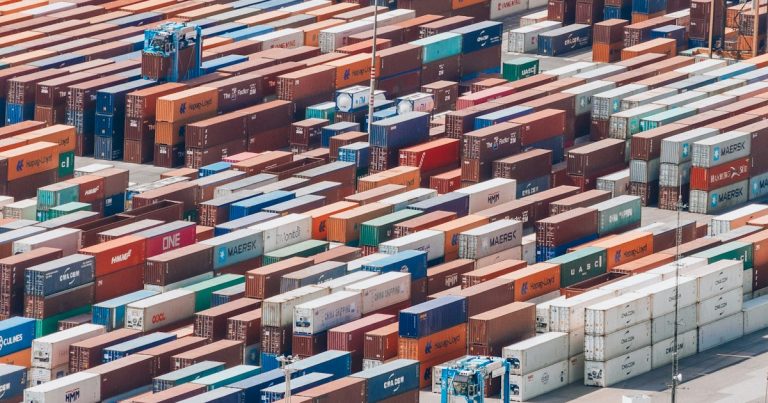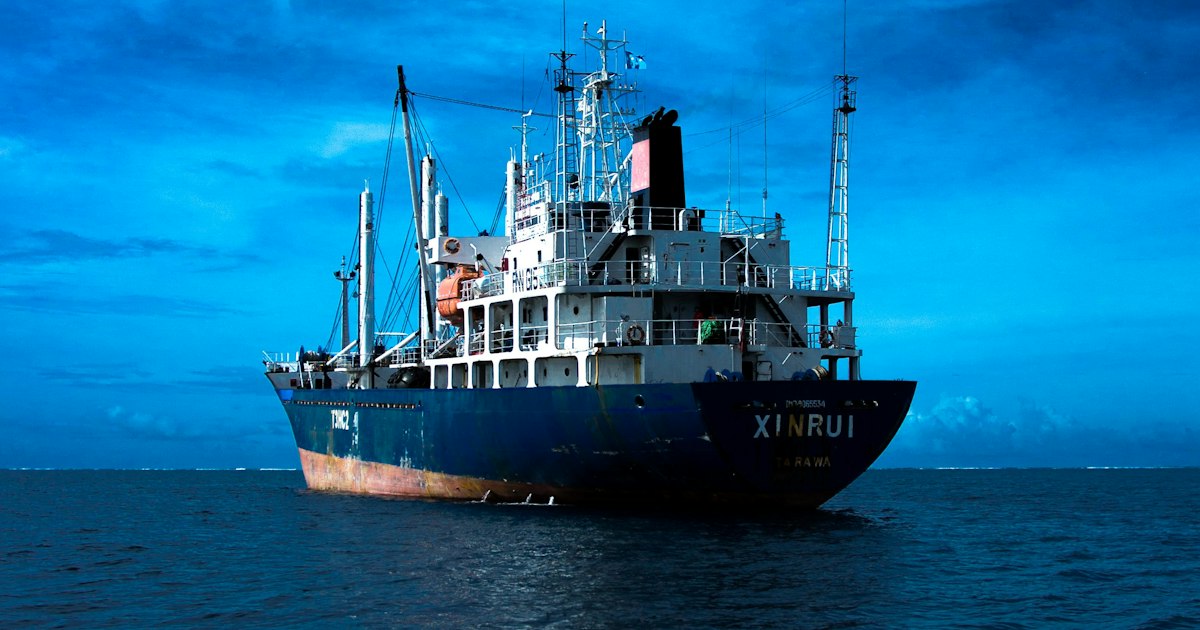
- Sea freight from India to the US runs roughly 25 to 40 days port to port; add 5 to 10 days for customs clearance.
- FCL (a full container) usually wins once your cargo passes about 15 CBM. Below that, LCL (shared container) is cheaper.
- Your landed cost is freight + duty + fees + insurance, not just the FOB price. Hidden add-ons can raise the total 20 to 35%.
- Wrong or missing documents are the number-one cause of customs delays. Lock the checklist before the container sails.
- US tariffs on Indian goods moved repeatedly in 2025 and 2026. Confirm your product’s live duty before you commit.
The number that sinks first-time importers is rarely the product price. It is the one nobody quoted them: the freight, the duty, the port fees, and the customs clearance that turn a cheap FOB quote into a not-so-cheap landed cost. Get those right and importing from India by sea is straightforward and predictable. Get them wrong and your margin disappears at the dock.
This guide walks a US buyer through the whole journey — port to door — so you can budget accurately and avoid the delays that cost real money.
How long does shipping from India to the USA take?
By sea, plan on about 25 to 40 days from an Indian port to a US port, then 5 to 10 more days for customs clearance and inland delivery. The US East Coast usually runs longer than the West Coast, and most India-to-US routings now sail via the Cape of Good Hope rather than Suez, which adds a few days. Air freight is far faster at 5 to 8 days, but only makes sense for small, urgent, or high-value orders.
| Route (by sea) | Typical transit |
|---|---|
| Nhava Sheva / Mundra → Los Angeles (US West) | 22–30 days |
| Nhava Sheva / Mundra → New York / Savannah (US East) | 28–40 days |
| Chennai → US East Coast | 30–40 days |
| Air freight (any major hub) | 5–8 days |
Which Indian port will your goods leave from?
- Nhava Sheva (JNPT), Mumbai: India’s largest container port, handling a big share of national traffic. The default for most consolidated and West India cargo.
- Mundra (Gujarat): Fast-growing and well-connected for textile exporters around Ahmedabad and Surat.
- Chennai: The South India gateway, strong for engineering goods and auto components.
- Kochi (Cochin): The spice and seafood port for Kerala.
- Kolkata / Haldia: The eastern gateway, common for jute and Northeast India goods.
FCL or LCL: which is right for your order?
FCL means your goods fill a whole container; LCL means you share one with other shippers. As a rule of thumb, once your cargo passes about 15 CBM, a full container becomes cheaper per unit and moves faster. Below that, LCL saves money but adds time, because the container has to be consolidated in India and de-consolidated in the US.
| FCL (full container) | LCL (shared) | |
|---|---|---|
| Best for | Larger orders, roughly 15 CBM and up | Smaller orders under ~15 CBM |
| Cost per unit | Lower at volume | Higher per CBM |
| Speed | Faster, fewer handling steps | Slower (consolidation adds days) |
| Container sizes | 20′ (~28 CBM), 40′ (~56 CBM) | You pay by the cubic metre |
What does it actually cost? (landed cost)
Here is where first orders go wrong. The price you negotiate is usually FOB (goods loaded at the Indian port). Your real cost is the landed cost: FOB price + ocean freight + insurance + US import duty + US entry fees + inland delivery. Ocean rates swing with the market, and the extras (ISF filing, customs entry, a customs bond, broker fee, port handling, and possible demurrage) can add 20 to 35% on top of the freight. Model the full landed cost before you decide a price is good.
What documents do you need?
Missing paperwork is the most common reason a shipment sits at the port. Make sure your supplier provides every item on this checklist before the container sails.
- Commercial invoice and packing list
- Bill of Lading (the ocean carrier’s document of title)
- Certificate of Origin (needed for any preferential duty claim)
- Importer Security Filing (ISF, the “10+2”) — filed with US Customs at least 24 hours before loading
- Product-specific certificates (for example FDA prior notice for food, Spice Board or phytosanitary certs for agri goods)
FOB, CIF, or DDP: who handles what?
Incoterms decide where the supplier’s job ends and yours begins. On FOB, the supplier gets the goods onto the ship and you control freight, insurance, and US clearance (most control, best for experienced buyers). On CIF, the supplier arranges freight and insurance to the US port and you handle clearance from there (simpler for beginners). On DDP, the supplier delivers to your door with duties paid (easiest, but you pay a premium and lose visibility). For a first order, CIF keeps things simple; as you grow, FOB usually saves money.
What about US customs and tariffs?
You will need a customs bond and, in practice, a licensed customs broker to clear the entry. Duty depends on your product’s HTS code, and tariff rates on Indian goods changed more than once through 2025 and 2026. Look up your code in the USITC Harmonized Tariff Schedule and confirm the live duty with US Customs and Border Protection or your broker before you lock a price. A tariff swing can move your landed cost more than the freight does.
Frequently asked questions
How long does sea freight from India to the USA take?
About 25 to 40 days port to port, plus 5 to 10 days for customs clearance and inland delivery. The US East Coast runs longer than the West Coast, and most routings now sail via the Cape of Good Hope.
Should I use FCL or LCL?
Use FCL (a full container) once your cargo passes about 15 CBM, where it is cheaper per unit and faster. Use LCL for smaller orders, accepting longer transit because the container is shared and consolidated.
What documents do I need to import from India?
At minimum: commercial invoice, packing list, Bill of Lading, Certificate of Origin, an ISF filing, and any product-specific certificates such as FDA prior notice for food. Missing documents are the top cause of customs delays.
How much does a container from India cost?
Ocean rates vary widely with the market, and the extras (ISF, customs entry, bond, broker, port handling) add roughly 20 to 35% on top. Always model the full landed cost rather than relying on the freight quote alone.
Do I need a customs broker?
In practice, yes. A licensed customs broker files your entry, handles the customs bond, and keeps your shipment compliant. The fee is small against the cost of a held or misclassified shipment.
Demurrage and detention: the hidden clock
Two fees catch new importers off guard, and both are about time. Demurrage is charged when your container sits at the port past the free days because you were slow to clear and collect it. Detention is charged when you hold the carrier’s container too long after taking it away. Each can run a hundred dollars or more per container per day, and they pile up quietly. The fix is simple: have your customs broker and documents ready before the ship berths, and arrange inland pickup in advance so the box moves the moment it is released.
Simple ways to cut your freight cost
Freight is one of the few costs you can actively manage, and a few habits make a real difference over a year of shipments.
- Consolidate orders into full containers once you pass about 15 CBM; FCL beats LCL per unit.
- Book two to three weeks ahead. Panic spot bookings cost more.
- Get quotes from two or three freight forwarders, not just your supplier’s default agent.
- Avoid the pre-Diwali and pre-holiday crush, when space tightens and rates climb.
- Move to FOB once you are comfortable, so you control the freight leg instead of paying the supplier’s markup on it.
Ship smart, not just cheap
Sea freight from India is reliable once you plan the full journey: the right port, the right container type, a complete document set, and a landed cost that includes duty and fees. Before any of that, make sure the supplier is real — our guide on verifying an Indian supplier covers the checks that prevent most first-order problems. When you are ready, browse verified Indian suppliers by product or tell us what you are importing and we will help you move it.
Written by the SourceVeda Team, sourcing specialists connecting US buyers with verified Indian manufacturers. Last updated: November 2026.